All posts
camping
Why Shoulder Season Is the Best Time to Camp in Switzerland
May and September give you the mountains almost to yourself — better light, emptier pitches, and weather that rewards anyone paying attention.
CampOne Team 3 min read
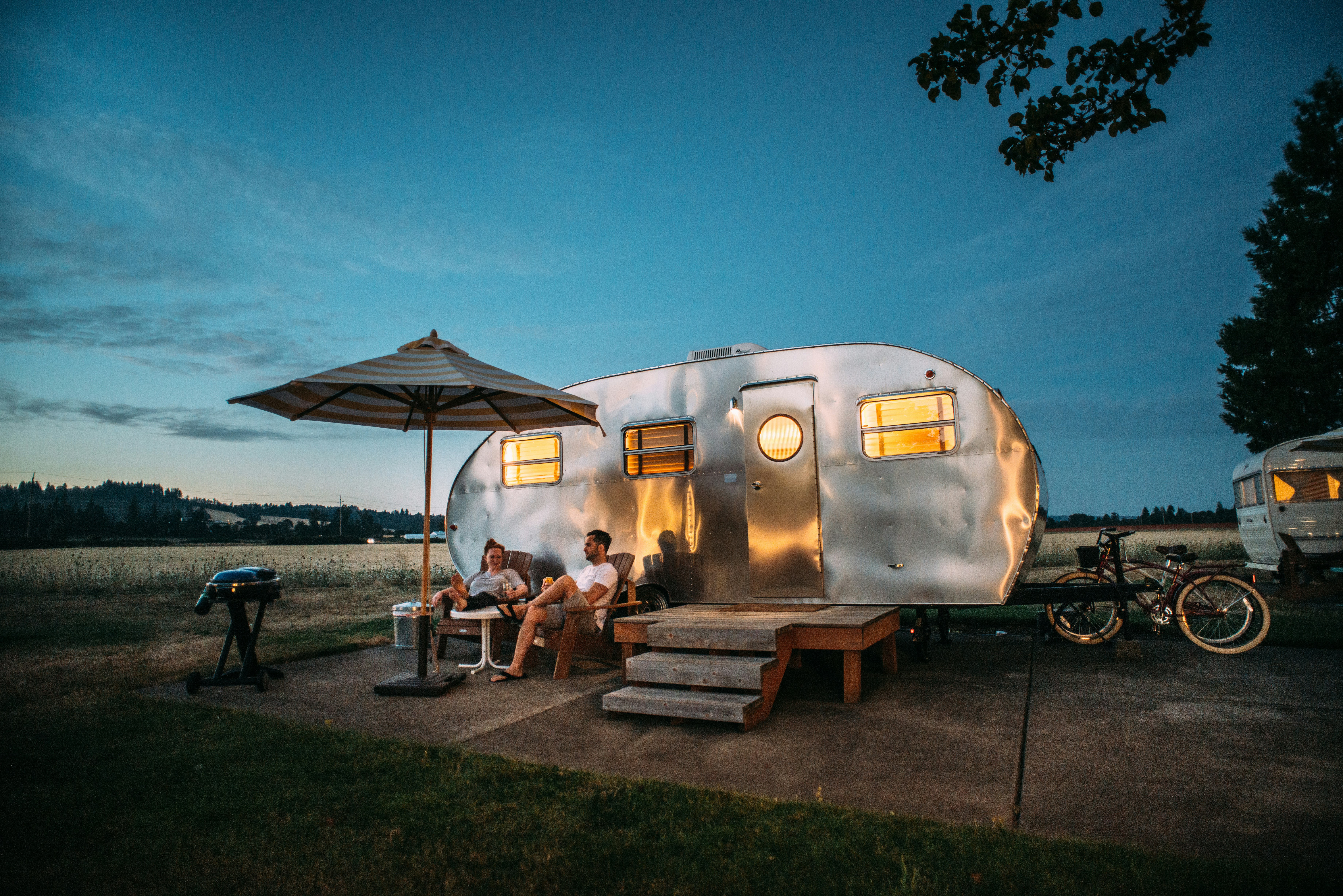
Most people camp in Switzerland between mid-July and mid-August. They are not wrong — the weather is reliable, the lakes are warm, and the days stretch past nine in the evening. But they're missing the two months that regulars quietly prefer.
Shoulder season — roughly the second half of May and the first three weeks of September — is when the country stops performing for tourists and starts feeling like itself again.
The campgrounds breathe again
In July, a good pitch at a lakeside site in Ticino is booked three months out. In September, you can often walk in on a Tuesday and have your pick of the waterfront row.
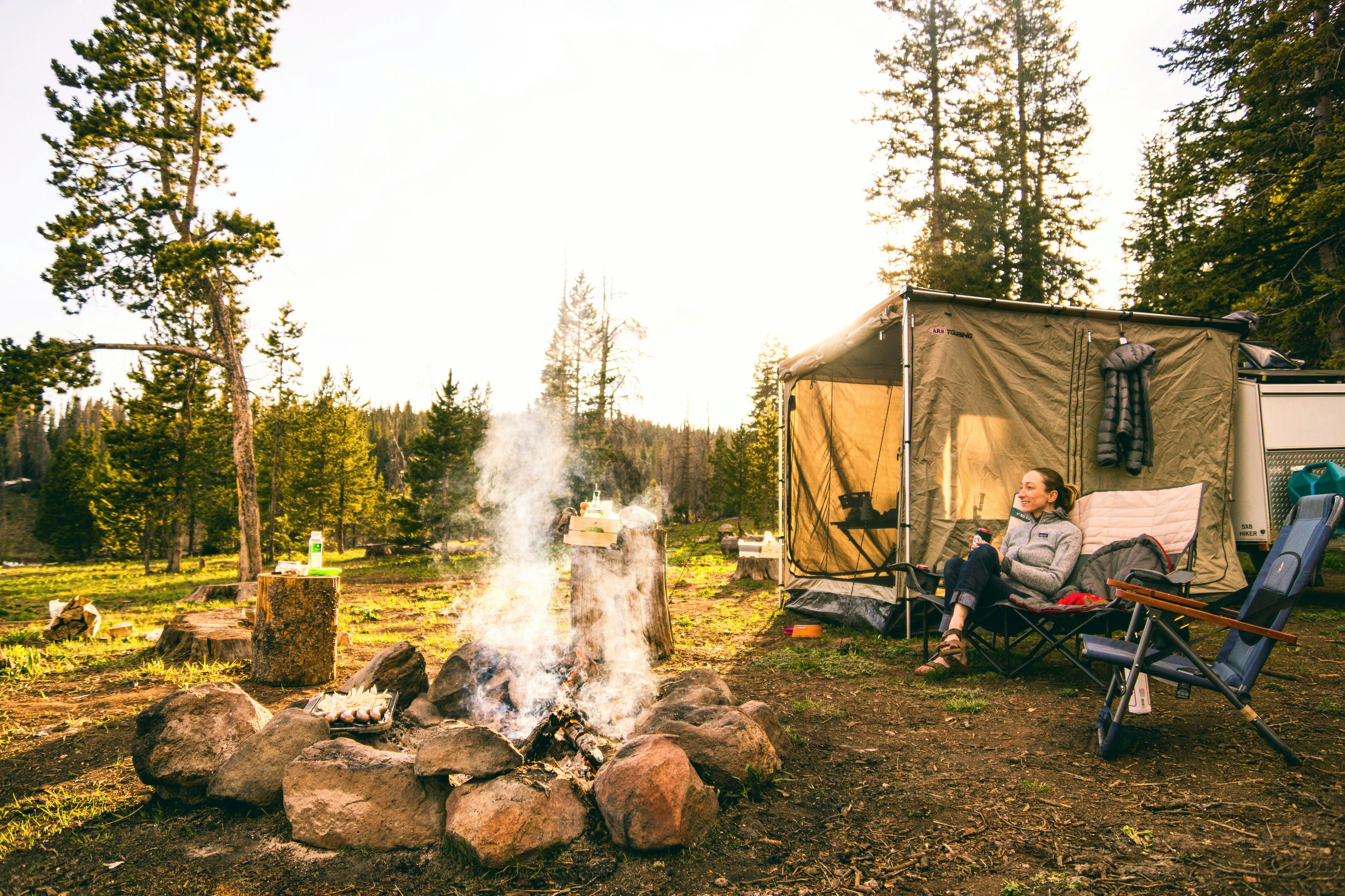
The sites themselves feel different. Reception staff have time to talk. The kitchen block isn't a queue. You hear birds instead of neighbours. If you've only ever camped in peak season, the quiet can take a day to get used to — and then you won't want to go back.
The light does something peak summer can't
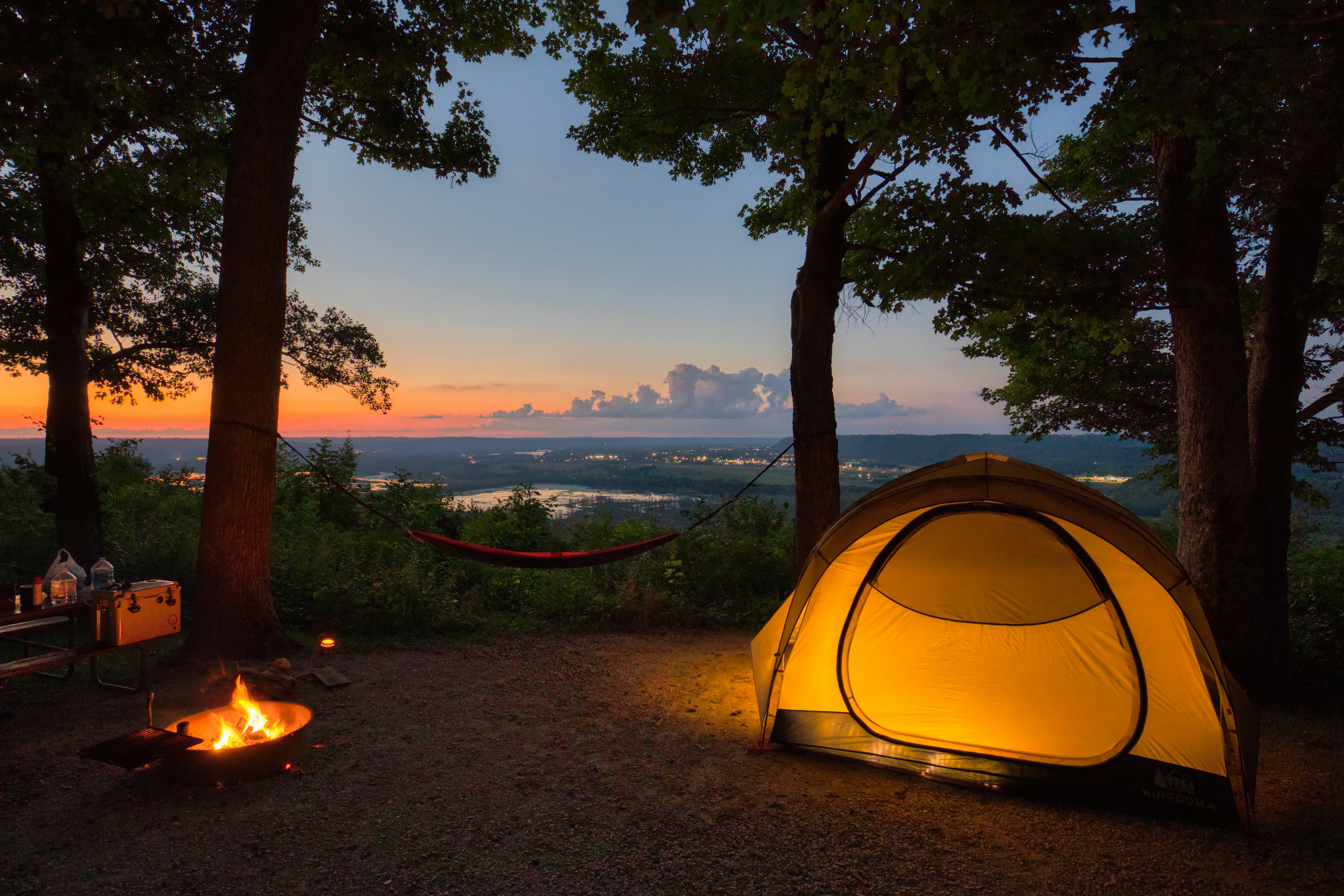
May light is long and soft because the sun is still climbing. September light is long and gold because the air has cleared of summer haze. Photographers know this. Campers figure it out the first time they sit outside their tent at 6pm and realise the valley has turned amber.
It also means cooler midday temperatures. A tent in full July sun at 1pm is a sauna. In May or September, the same pitch is pleasant enough to nap in.
The weather asks a little more of you
This is the trade-off, and it's a fair one. Shoulder season nights drop. May can deliver 4°C after a clear evening in the Alps; September can do the same by the last week. A summer sleeping bag will not be enough.
Pack a three-season bag, a warm base layer to sleep in, and a beanie. A small gas heater is overkill — the cold is the point. It's what makes the morning coffee taste like something.
Rain is more likely than in August, but the systems move faster. A wet morning often clears by noon. Check MeteoSwiss the evening before and plan the day around the window, not the forecast.
The trails are yours
Popular hikes near Interlaken or Zermatt can feel like commuter paths in August. Two weeks either side of peak, the same trails are empty enough that you'll pass maybe four people in a morning.
Mountain huts are still open through most of September, though you should book. Cable cars often run a reduced schedule — check the operator's site before you build a day around a specific lift.
The mountains are louder in summer. You hear them properly in September.
What to know before you book
Some sites close in early October and don't reopen until late April — always check dates directly with the campground, not just the aggregator. Shop and restaurant hours on-site are often reduced in shoulder season, so bring enough to self-cater for a day.
Lake swimming is still possible into mid-September in Ticino and the lower valleys; alpine lakes are bracing by then, which is a polite way of saying painful. Bring a towel anyway.
Peak season exists for a reason, and there's nothing wrong with it. But if you can pick your week, pick the one your neighbours didn't. You'll come home with a different country in your head.
camping switzerland guides seasons